Internet Infrastructure
Learn about the physical components that support internet connectivity, including fiber optic cables, data centers, and network exchange points.
Explore InfrastructureWelcome to Qatar Network Info, an independent informational resource dedicated to explaining the internet infrastructure, connectivity technologies, and digital communication systems that support modern internet access across the State of Qatar. Our educational content helps visitors understand how internet networks operate, the technologies behind digital connectivity, and the infrastructure that enables communication across the region.
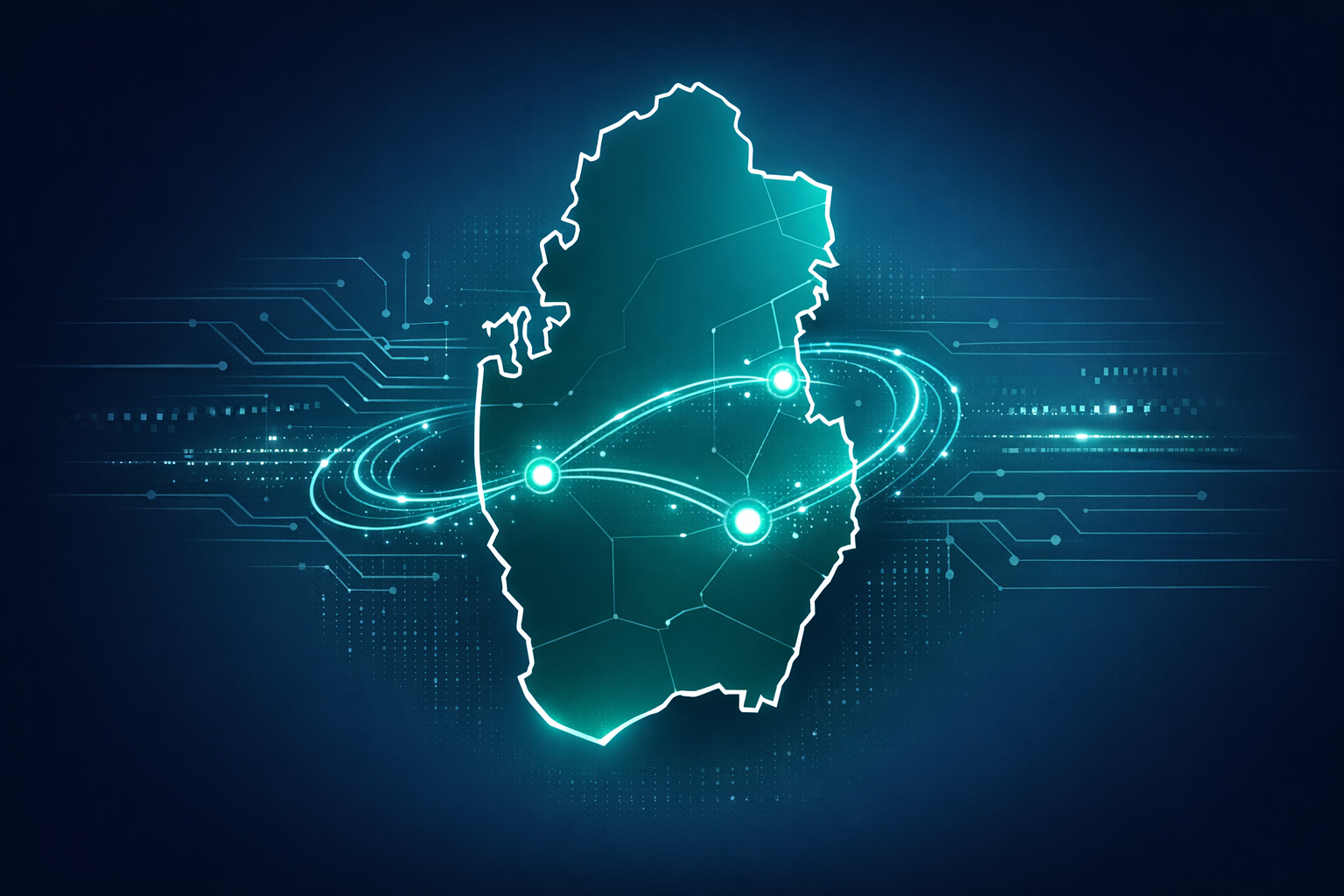
The State of Qatar has developed a sophisticated internet infrastructure that supports digital communication for residents, businesses, and government services. This website provides comprehensive educational information about the technical systems, network architectures, and connectivity technologies that enable internet access throughout the country. Our content is designed to help visitors understand the fundamental concepts of internet infrastructure without technical jargon or promotional content.
Learn about the physical components that support internet connectivity, including fiber optic cables, data centers, and network exchange points.
Explore InfrastructureDiscover the various technologies used to connect devices to the internet, from wireless networks to broadband systems and mobile technologies.
Learn TechnologiesUnderstand how data travels through digital networks and the backbone systems that enable global internet communication.
Study NetworksInternet infrastructure refers to the physical and logical components that enable digital communication across networks. In Qatar, this infrastructure has been developed to support the country's digital transformation initiatives and provide reliable connectivity for all users. Understanding these fundamental components helps explain how internet services reach homes, offices, and mobile devices throughout the nation.
Fiber optic technology forms the backbone of modern internet infrastructure. These networks use glass or plastic fibers to transmit data as light signals, enabling extremely high-speed data transfer over long distances. Qatar's fiber optic network connects major population centers, business districts, and critical infrastructure, providing the foundation for high-performance internet access.
Internet exchange points (IXPs) are critical infrastructure components where different networks interconnect and exchange traffic. These facilities enable efficient data routing between networks, reducing latency and improving overall internet performance. Exchange points serve as hubs where internet service providers, content delivery networks, and other network operators connect their systems.
Network routers are intelligent devices that direct data packets between different networks, determining the most efficient paths for information to travel. These systems use sophisticated protocols to analyze network conditions, avoid congestion, and ensure reliable data delivery. Modern routing infrastructure supports both IPv4 and IPv6 addressing schemes to accommodate growing connectivity demands.
Multiple technologies enable devices to connect to internet networks, each with distinct characteristics suited for different use cases. From wireless local area networks to mobile broadband systems, these technologies work together to provide seamless internet access across various environments and devices.
Wireless networking technologies, including WiFi standards, enable devices to connect to networks without physical cables. These systems use radio frequencies to transmit data between devices and access points, creating flexible connectivity solutions for homes, offices, and public spaces. Modern wireless standards offer improved speeds, capacity, and security features.
Broadband technologies provide high-speed internet access through various transmission methods. These systems support the bandwidth requirements of modern applications including video streaming, cloud computing, and real-time communications. Broadband connections can be delivered through fiber optic cables, copper telephone lines, coaxial cables, or wireless transmission systems.
Mobile network technologies have evolved through multiple generations, from early 2G systems to current 4G LTE and 5G networks. These technologies enable internet access on mobile devices through cellular infrastructure, providing connectivity across wide geographic areas. Each generation has brought significant improvements in speed, latency, and network capacity.
Digital communication networks form the interconnected systems that transmit data between devices, applications, and users worldwide. Understanding how these networks operate helps explain the complex processes involved in every internet transaction, from sending an email to streaming video content.
Data travels through networks in the form of packets, which are small units of information routed independently to their destination. This packet-switched approach allows efficient use of network resources and enables robust, fault-tolerant communication systems. Each packet contains addressing information that allows network equipment to forward it toward its intended destination.
The internet backbone consists of high-capacity fiber optic cables and network infrastructure that interconnects networks across continents. These backbone networks carry the majority of internet traffic between countries and regions, forming the essential infrastructure that enables global connectivity. Qatar connects to international backbone networks through submarine cable systems and terrestrial links.
Internet communication relies on standardized protocols that define how data is formatted, transmitted, and received. The TCP/IP protocol suite forms the foundation of internet communication, while application-layer protocols like HTTP, FTP, and SMTP enable specific types of services. These protocols ensure interoperability between different systems and devices.
This website serves exclusively as an educational resource about internet infrastructure and connectivity concepts. The information provided is intended to help visitors understand the technical systems that support internet access in Qatar. We do not provide internet services, process payments, offer subscriptions, or compare service providers. For specific internet service inquiries, please contact licensed telecommunications providers in Qatar.
Visit our FAQ page for answers to common questions about internet infrastructure and connectivity.
View FAQ